3 Quick Fixes Before Calling Air Conditioning Repair in Tampa
Published: 2026-06-02 · By PlusFreeze AC Repair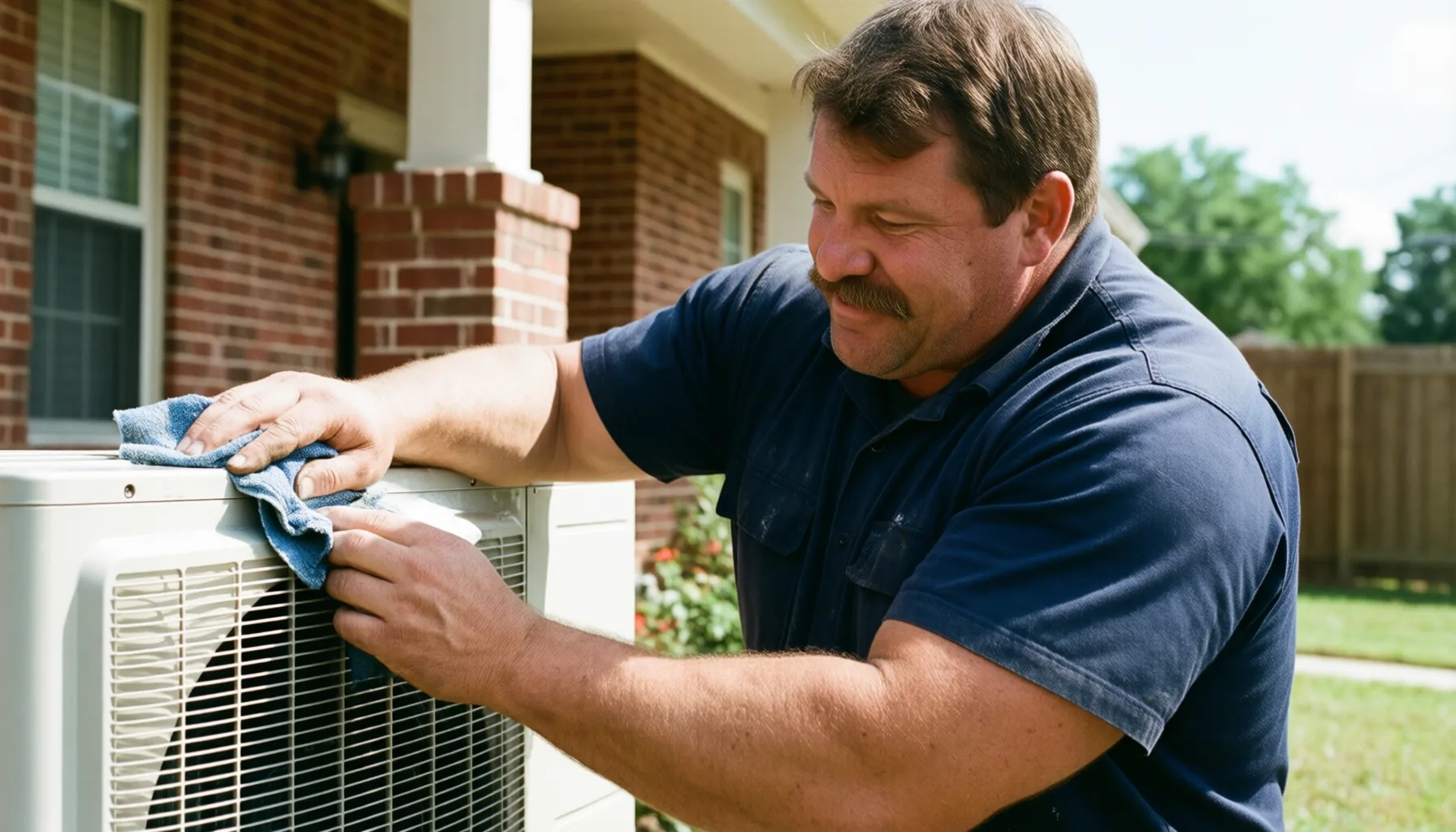
Living in Tampa means embracing the sun, but it also brings challenges, especially when it comes to your home’s air conditioning system. Imagine it's a muggy Saturday afternoon, the temperature is soaring, and you can feel the humidity wrapping around you like a thick blanket. Your AC suddenly stops blowing cold air. This scenario is all too common in our coastal city, where salt air damages outdoor units and humidity fosters mold and mildew growth.
As a homeowner, being proactive about your air conditioning can save you significant money and discomfort. Local conditions require that you be particularly vigilant so that when issues arise, you can tackle them swiftly and effectively.
Why This Matters for Tampa Homeowners
Tampa homeowners often find themselves in a predicament when their air conditioning units fail. The tropical climate here, characterized by high humidity and heat, makes reliable cooling systems not just a convenience, but a necessity. If your AC system is struggling, it could not only lead to discomfort but also exacerbate existing corrosion issues common to coastal properties.
Salt air is relentless; it quickly accelerates the decay of metal fixtures, including the components within your HVAC system. This corrosive atmosphere can lead to costly repairs. It’s essential, especially for homes built on elevated foundations, to maintain a functional and efficient cooling system through routine checks and repairs.
Tip: Regular maintenance in these conditions can enhance your AC’s lifespan by years, saving you from expensive replacements.
Expert Solutions & Actionable Tips
1. Examine the Thermostat Settings
Sometimes an AC unit is viewed as malfunctioning simply due to incorrect thermostat settings. Start by ensuring your thermostat is set to 'cool' and that the desired temperature is lower than the room’s current temperature. Test it by adjusting these settings and listen for the AC starting up.
If it’s battery-operated, consider replacing the batteries to ensure responsiveness. This simple check could save you from a service call, and if adjustments work, you keep your cash for more pressing home needs.
2. Inspect the Air Filter
Dirty or clogged air filters can significantly impact performance. In humid conditions like Tampa’s, filters accumulate dirt and debris quickly. It's advisable to check them monthly, especially during the summer. A good rule of thumb is to replace them every three months. Low-grade filters can cost as little as $10.
A clean filter can boost efficiency and even lower your energy bills by up to 15%. In some scenarios, failure to replace filters promptly can lead to the need for professional intervention.
3. Clear the Drain Line
Florida's humidity can cause condensation buildup leading to may blockages in your AC's drain line. A clogged drain can harm the unit and your home by causing leaks or worse, mold growth. To check this, locate the drain line, typically a PVC pipe exiting the exterior wall of your home.
Clearing it might just require a wet-dry vacuum and some vinegar to break down clogs. If ignored, homeowners could face repairs ranging from $50 to $150 just to fix a blocked line.
4. Check Circuit Breakers
Electrical issues, such as tripped circuit breakers, can also cause air conditioning systems to stop working. Located in your home’s electrical panel, check the breakers dedicated to your AC. If the switch is in the off position, turn it back on.
This solution might avert more technical troubleshooting. If it repeatedly trips, however, it signals deeper electrical issues needing the expertise of an electrician or HVAC technician.
5. Examine Outdoor Unit Condition
With Tampa's coastal environment, the outdoor unit often suffers wear and tear from salt corrosion and storm debris. Make a visual inspection and ensure there are no visible damages or blockages. Clear any leaves or debris, and consider rinsing off the unit to remove accumulated salt.
Regularly maintaining the area around your AC unit helps prolong its lifespan. This minimal effort can prevent expensive repairs down the line and keep your system operating smoothly.
6. Prepare for Hurricanes
During hurricane season, taking precautionary actions is crucial. Ensure your AC unit is securely fastened and that no loose items are around it that could become projectiles. You might even consider using a waterproof cover for added protection.
Taking these steps can prevent catastrophic damage and costly repairs afterward. Investing time into protecting your AC unit through seasonal preparations pays off in the long run, especially with Tampa's weather.
Tampa Climate & Local Context
Tampa’s climate presents unique challenges for air conditioning systems. The year-round warmth, punctuated by high humidity and irregular tropical storms, requires that local homes be equipped to handle these conditions. Elevated homes often incorporate moisture barriers and HVAC systems designed to cope with salt air's detrimental effects.
Additionally, many neighborhoods have specific building codes, especially for HVAC installations meant to withstand harsher weather elements. Before any repairs or replacements, homeowners should familiarize themselves with local regulations and obtain necessary permits, ensuring their home remains compliant and well-protected.
When to Call a Professional
Determining when to tackle HVAC issues personally or when to call for help can be challenging. DIY solutions often work for minor troubles, but some red flags indicate a need for professional assistance.
- Insistent tripping of circuit breakers
- Unusual or persistent sounds from the unit
- Floors or walls near vents showing signs of moisture
- Insufficient cooling despite all proper settings
- Noticing strong unpleasant odors
- Water pooling around the unit
- Unusually high energy bills
- A suspected refrigerant leak
Addressing these red flags promptly with professional inspection can help prevent costly damages long-term.
Frequently Asked Questions
What should I look for if my AC isn't cooling properly?
Begin by checking your thermostat settings and air filter, as clogged filters can drastically affect performance. If these seem in order, inspecting the outdoor unit for debris or corrosion is advisable.
How often should I service my AC unit in Tampa?
A general recommendation is to service your AC at least once a year. However, due to Tampa's coastal climate, bi-annual services may be beneficial for ongoing efficiency.
Can I perform my own AC repairs in Florida?
It’s feasible to handle minor issues like changing filters, but for more significant problems—like refrigerant issues or electrical components—hiring a professional is safer and ensures compliance with local codes.
When should I replace my air conditioning unit?
If your unit is over 15 years old and requires frequent repairs, it's time to consider a full replacement to enhance efficiency and reliability in the long run.
Are there any local regulations I should be aware of regarding AC services?
Yes, Tampa has building codes that govern HVAC installations. Always check with local authorities for permit requirements and compliance standards to avoid fines.
Get Expert Air Conditioning Repair Service in Tampa
Taking proactive measures with your air conditioning can save money and extend your system's lifespan. If you find that a problem persists after your quick fixes, don't hesitate to call (656) 208-5368. PlusFreeze AC Repair is here to serve Tampa residents with reliable, expert AC repair services.
Stay cool and comfortable year-round by keeping your AC unit in check. Reach out today to schedule your service with PlusFreeze AC Repair!